
6 MIN READ·Jan 09, 2026·Written by Bhavishya Bharadwaj

Summary: Google’s new AI summaries are starting to reshape search results in noticeable ways. This short overview explains what might change, how it affects visibility, and why brands may need to rethink parts of their digital marketing approach as search habits shift.
Take a closer look at how Google’s AI-driven summaries could reshape what people see online and how brands plan their marketing in 2026.
Is the search landscape headed for a quiet shake-up? Many marketers sense it already; organic visibility feels harder to maintain, search results behave differently, and users expect answers faster than ever. The shift isn’t subtle. Businesses that once relied on steady ranking and consistent traffic now face a new challenge: Google AI Overviews.
The updated search layout places regular website links noticeably lower, while quick AI-crafted explanations appear upfront. This small shift changes how users browse and what they choose to open. For marketing teams already stretched between content work, technical SEO, reporting, and the usual algorithm surprises, adjusting full-funnel digital marketing strategy to this new format isn’t always easy. Because of that pressure, many companies now lean on outsourcing digital marketing experts who can track these shifts closely and still maintain a balanced, without losing momentum.
In this blog, the aim is to break down what’s happening, how it works, and how companies can adjust before 2026 brings even more changes.
Before adjusting strategies, it’s important to answer a basic question: What Is Google AI Overview?
Google AI Overviews are AI-generated summaries placed at the top of search results. They pull information from multiple web pages, analyze context, and present a short explanation covering the user’s query. While the idea sounds simple, the effect on visibility is massive. Instead of scanning multiple blue links, users see a compact explanation stitched together by the search engine.
The google AI overview impact on SEO has already become a talking point. Websites that depended heavily on click-through traffic may now see fewer visitors, especially if their main content answers broad or straightforward questions. Meanwhile, pages offering depth, nuance, or firsthand insights tend to support these overviews, sometimes earning placement inside the panel itself.
The bigger shift is not just traffic fluctuation; it’s a change in how people consume information. AI isn’t just summarizing; it’s reorganizing the search journey. And those changes shape what content needs to look like from now on.
The next piece of the puzzle is understanding the features in Google AI Overviews that influence visibility. Unlike traditional snippets, these overviews mix explanations, steps, citations, and sometimes even product suggestions. Several characteristics stand out: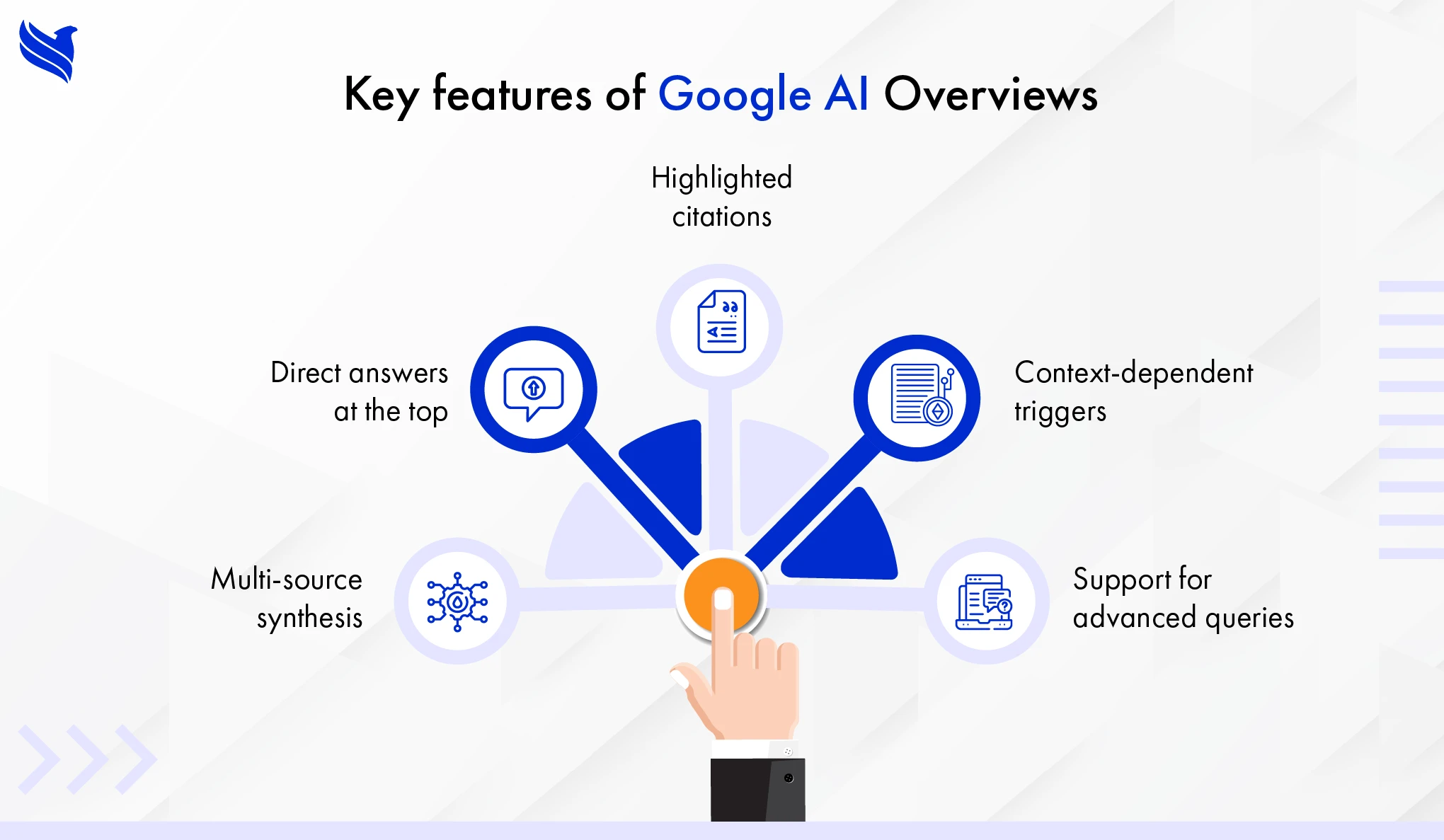
Together, these AI Overview impacts push marketers to rethink both the type and depth of content produced. The goal is no longer to publish the most content; it’s to publish the content that helps AI understand, verify, and explain.
A major question is now shaping SEO discussions: How to Optimize Google AI Overview?
While no one can force inclusion, certain practices increase the likelihood of being used as a reliable source. The most effective approaches are simple but require consistent effort.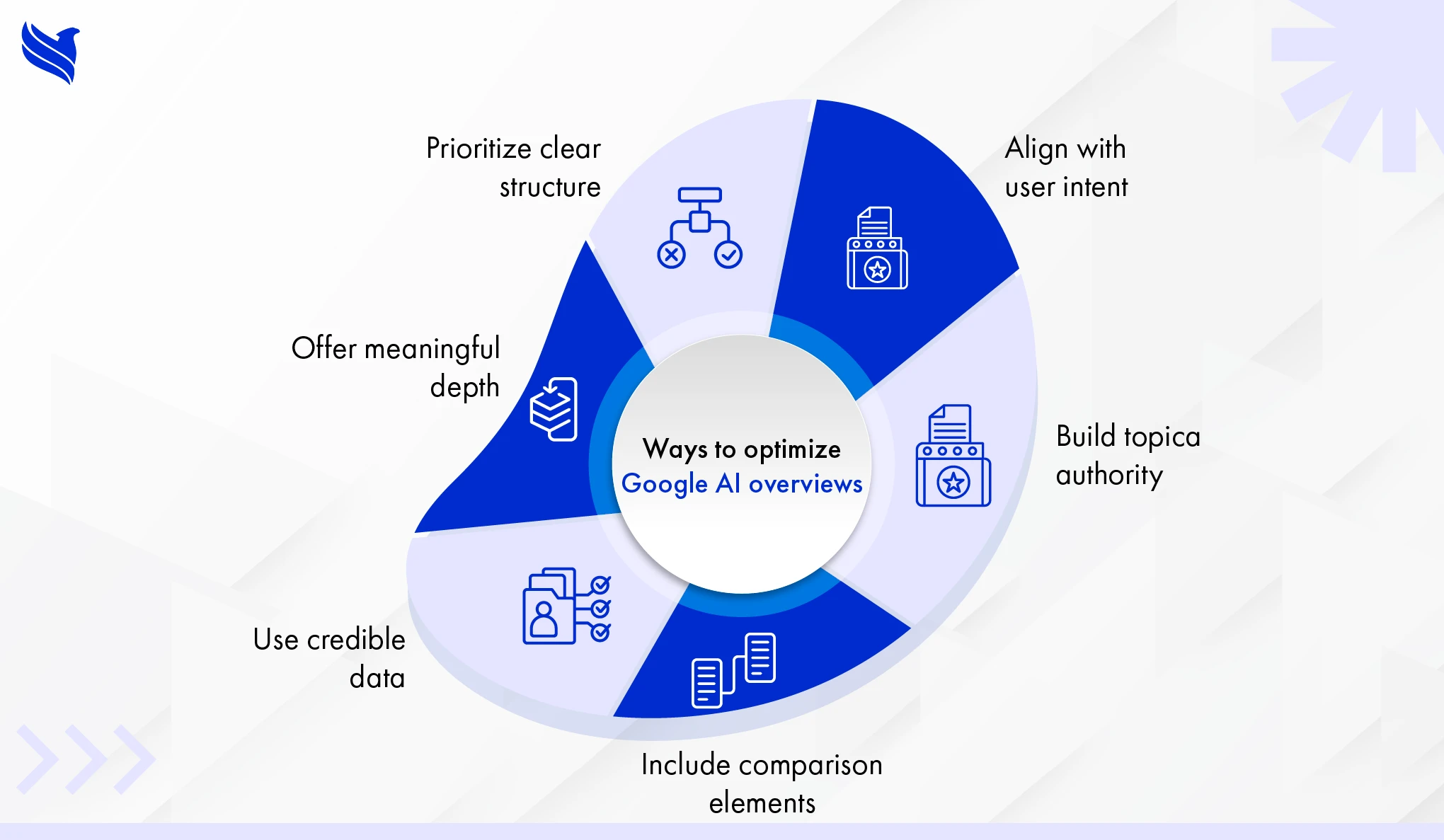
These steps, paired with thoughtful editing and regular updates, help websites stay visible as AI in digital marketing reshapes search behavior.
The search environment is no longer predictable. With AI in content marketing, automation, and continuous algorithm changes happening all at once, in-house teams often struggle to manage everything; from SEO to analytics to content refresh cycles. That’s where outsourcing becomes practical rather than optional.
A strong outsourcing digital marketing partner brings several advantages:
Outsourcing isn’t just a support system; it’s often the difference between reacting late and staying ahead.
Google AI Overviews are reshaping how people search, how results appear, and how brands earn visibility. This blog explored the essentials: understanding how the AI-generated overview works, recognizing the google AI overview impact on SEO, adapting content to support these panels, and strengthening strategy with expert outsourcing support. Digital marketing in 2026 won’t reward shortcuts; it will reward clarity, authority, and strategic execution.
To stay ready for these changes and build a stronger presence across channels, explore how FBSPL can support your growth.
They pull details from multiple pages and show a short explanation at the top, which changes where users focus their attention.
Get the latest insights on insurance operations, policy management, and industry best practices.