
8 MIN READ·Dec 02, 2025·Written by Bhavishya Bharadwaj
Summary: AI and automation in digital marketing are transforming how brands operate, streamlining campaigns, enabling real-time personalization, improving ROI, and freeing marketers for creativity. This blog explores their impact, top tools, outsourcing advantages, and what the future holds for data-driven marketing success.
Discover how AI and automation in digital marketing reshape strategy, personalize experiences, boost efficiency, and help brands scale smarter than ever.
Walk into any marketing meeting these days, and someone will mention AI and automation in digital marketing before coffee’s poured. The speed at which things move, the flood of messages, there’s barely time to breathe. Brands juggle rising customer demands, heaps of data, and shrinking attention spans. It stops being about pushing ads and starts being a battle to stand out.
Here’s the real tension: Customers want tailored experiences, but they also expect answers and offers, fast. That leaves old-school campaigns struggling to keep up. More teams now lean on automation in digital marketing, letting algorithms and smart software handle what no human could manage alone. Not every business can stay ahead by DIY-ing these tools, so many are eager to outsource digital marketing, counting on pros to pull strategy and tech together.
In this blog, the curtain gets pulled back on all the ways AI and automation change digital marketing: how they work in practice, what strategies are out there, what’s truly different, the leading tools, the logic of outsourcing, and what tomorrow may bring.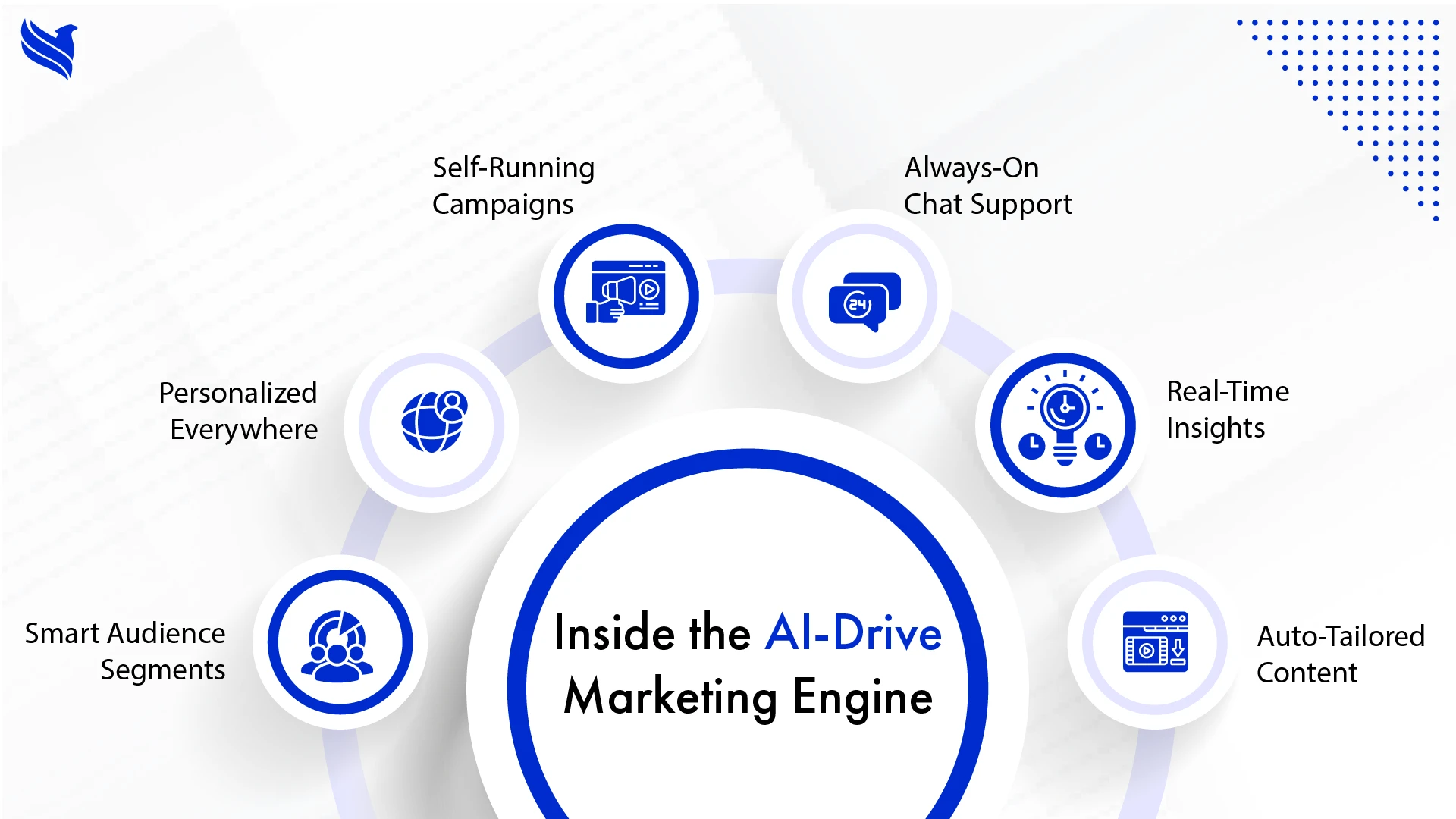
Hype aside, let’s talk about reality. A lot goes on under the hood with AI in digital marketing. Here’s how brands and agencies use these tech advances to make a bigger impact:
Jargon aside: using ai in digital marketing helps teams cut through the noise, spot new trends, and offer experiences that feel custom, without turning marketers into tired robots.
Glance back a few years, and “strategy” meant picking tags, launching ads, and hoping analytics would eventually tell a story. The role of artificial intelligence in marketing throws a wrench into those slow cycles. Now, it’s about moving fast, adjusting faster, and listening more closely to the signals customers give out.
Now, marketing strategy isn’t painted in broad strokes, it’s built in moments:
Instead of guessing or relying on instinct, strategy now lives in direct feedback loops. faster, messier, but a lot more in tune with daily reality.
Numbers alone don’t capture the difference, but they do offer proof. Here’s where The Impact of AI and Automation on Digital Marketing is seen: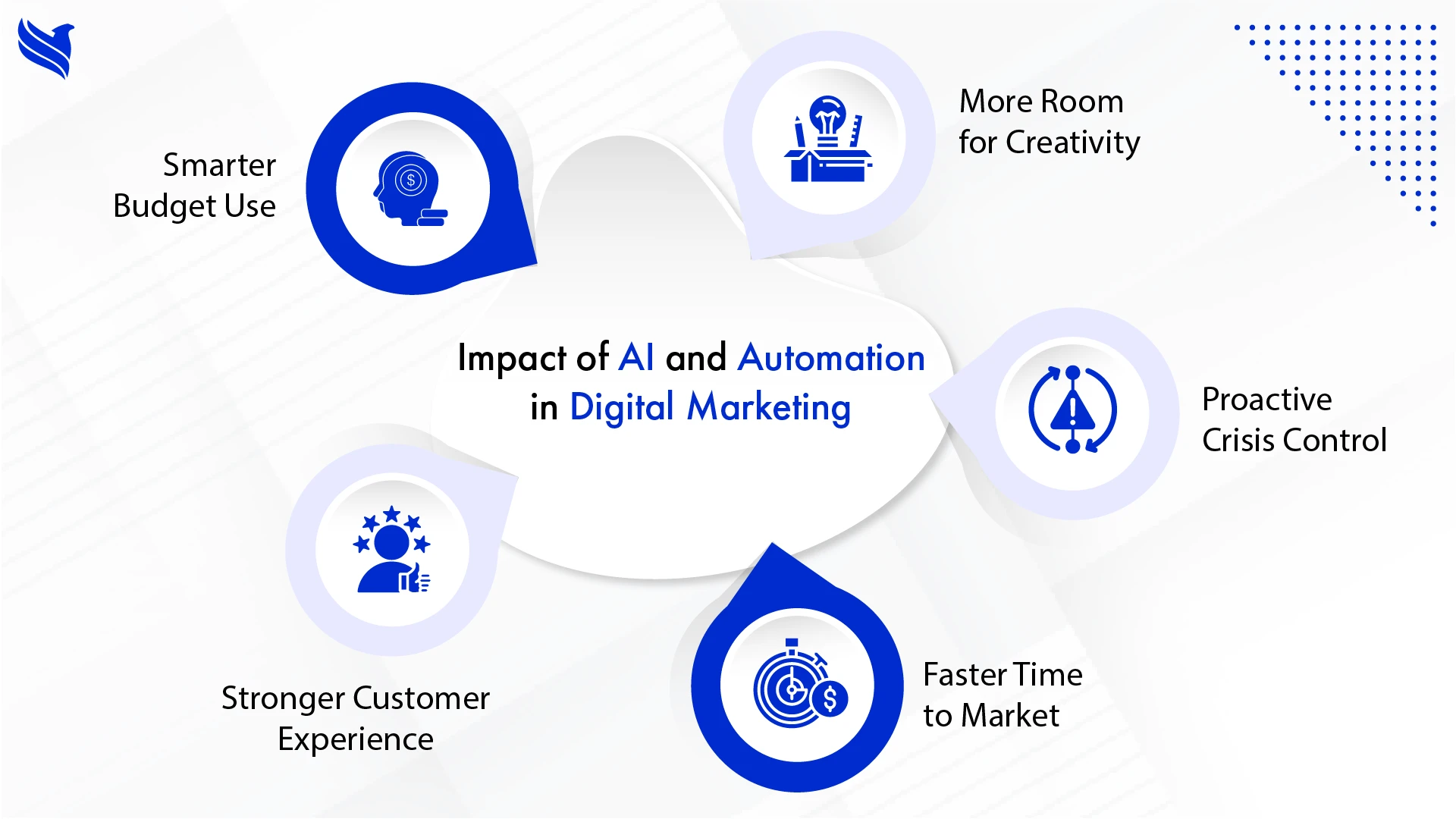
Some stats say it all: By 2026, AI in digital marketing is set to hit $47.32 billion, a huge leap from just a few years ago. That number’s on track to pass $107 billion by 2028, with an average growth rate of over 36% per year. Nine out of ten marketers now rely on AI or automation daily, and most (81%) say it builds stronger brands, while 75% talk about big cost reductions. Productivity is up too, most digital marketing teams can create content 93% faster with AI tools, freeing them for strategic work and real connection with audiences. (Source: Link)
It’s not just the tech giants that have the best gear; small and midsize brands are using a mix of digital marketing services and off-the-shelf platforms. Here are leading tools reshaping the field:
These tools aren’t run on autopilot. Smart teams use them as assistants, not replacements, watching reports, adding tweaks, and keeping each campaign original.
Hiring and running everything in-house has downsides. Not every company has the budget, skills, or time to constantly upgrade their ai digital marketing stack. Here’s why the “outsource digital marketing” movement keeps growing:
For smaller outfits, outsourcing often means getting the same tech and strategy as the big names, minus the headaches.
Today, brands are running smarter, not harder. Automation in digital marketing keeps routine stuff flowing without mistake, while AI uncovers new angles, finds fresh leads, and lets teams measure every tactic in detail.
The lines between data and creative are fading, and campaigns change shape quickly, depending on what audiences actually respond to. That’s why digital marketing KPIs, like lead quality, customer satisfaction, and ROI, are making more sense to brands now. Teams know what helps and what harms, almost in real time.
For those curious or hesitant, the answer is simple: ignore ai and automation in digital marketing, and you’ll risk missing chances, losing customers, and wasting money. The ones who lean in, using the tools, testing new strategies, and involving human editors, set standards others struggle to catch.
The final takeaway? Smart marketing isn’t just about tech. It’s about matching the right messages to the right people at the right time, using AI-based digital marketing to break barriers and outsourcing to experts who treat brands like partners, not just clients.
When you’re ready to push your results further, connect with FBSPL. See how digital marketing services blend experience, insight, and innovative tools, putting your goals first. The future isn’t waiting, and neither should your brand.
When you step into any marketing office now, someone’s bound to mention how routine tasks aren’t chewing up hours anymore. With tools doing the heavy lifting behind the scenes, like tracking website visitors or sending out emails, folks get to actually talk strategy and bounce ideas around in real time. It’s less about machines and more about freeing up time for people to be creative.
Get the latest insights on insurance operations, policy management, and industry best practices.