6 MIN READ·Jun 18, 2025
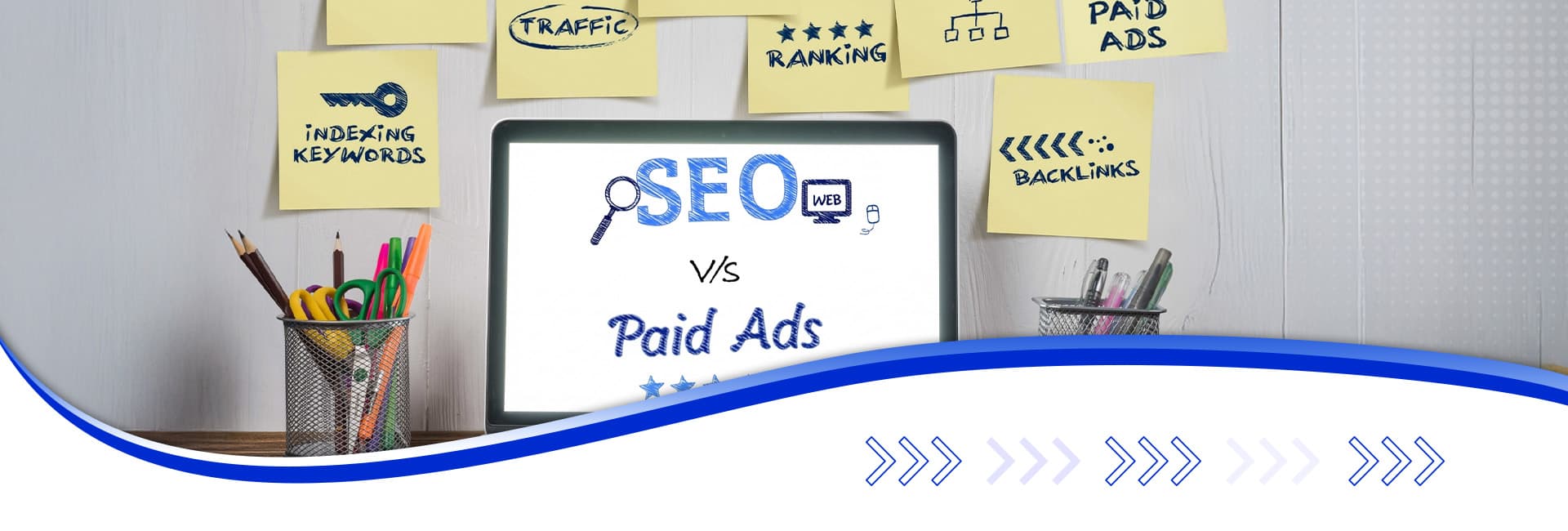
In 2025, when every rupee’s got ten jobs and everyone’s fighting for the same eyeballs, this isn’t just a marketing call, it’s about staying in the game. SEO gets you seen without paying every time someone clicks, but let’s be honest; it’s a grind.
If you need quick wins, go paid. If you’re playing the long game, bet on SEO. There’s no one-size-fits-all, just a question of what kind of traction you need, and how fast you need it.
This blog breaks down what works, what doesn’t, and how to know which one deserves your marketing dollars.
SEO’s how you show up without paying rent every time someone clicks. You earn your spot, through content that’s actually useful, links from places that matter, and a site that doesn’t trip up Google’s crawl bots. It’s slow. Sometimes painfully slow. But it’s how you build trust with search engines—and when that trust kicks in, it compounds hard.
And no, it’s not just stuffing your site with keywords anymore. SEO in 2025 is smarter and more behavior-driven. Google’s AI updates now track how helpful your content is, how long people stay on your page, and whether you’re actually answering their questions—not just ranking.
Now on the flip side, paid ads. Whether you’re using Google Ads, Meta, or even YouTube pre-rolls, these are your "pay-to-play" tools. You get seen instantly. You pay for every click. And when your budget runs out, so does your visibility.
Paid advertising is like renting a spot on the front page of the internet. You're visible today, but there's no guarantee you'll be there tomorrow unless you keep swiping the card.
Let’s get into the facts:
What’s more important here is context. SEO is a snowball; it builds over time. Paid ads are more like lighting a match, bright and fast, but temporary.
Get more insights on: The full-funnel digital marketing strategy your business is missing
You should lean into SEO when:
SEO works best for those who play the long game. Content marketing, backlinks, and topic authority take time, but once Google sees you as a reliable source, your traffic becomes less dependent on a fluctuating ad budget.
Paid ads make more sense if:
Say you just launched an eCommerce store. SEO may take 6 months to get traffic. Paid ads, on the other hand, can drive visitors today. That feedback can be used to fix your landing pages, optimize conversions, and build your brand faster.
Here’s the thing: it’s not always about SEO or paid ads. It’s often SEO and paid ads; just not at the same levels.
A lot of brands start with ads just to get some momentum, fast clicks, quick feedback, proof that something’s working. Then they shift gears and pour into SEO so they’re not stuck paying forever. Some go the other way, betting on organic from day one and only flipping on the ad switch when there’s a launch or a seasonal spike.The sharp ones? They treat ads like a live lab. They test headlines, keywords, offers, see what people actually respond to. Then they take that intel and bake it into their SEO game. Not guessing what to rank for, knowing.
If you’re stuck deciding, here’s a quick breakdown:
| Goal | Best Choice |
| Brand authority & trust
Quick sales or leads Long-term growth Product testing | SEO
Paid Ads SEO Paid Ads |
| Cost-efficiency over time
Time-sensitive promotions | SEO
Paid Ads |
SEO and paid ads are two sides of the same digital coin. They serve different purposes at different times in your marketing journey. Instead of asking “which one is better,” ask yourself:
Start where you are. If you're in hustle mode and need traffic now, run ads. If you're building a brand for the next 5 years, invest in SEO. And if you’re serious about growth, eventually, you’ll need both working together.
At FBSPL, we work with businesses of all sizes to build tailored digital strategies, whether you’re going all in on SEO, testing paid ads, or blending both for maximum impact.
Call and get a 15 min free consultation.
Get the latest insights on insurance operations, policy management, and industry best practices.