

Managing employee benefits operations in 2026: Strategies for a changing workforce
8 MIN READ/Aug 06, 2026
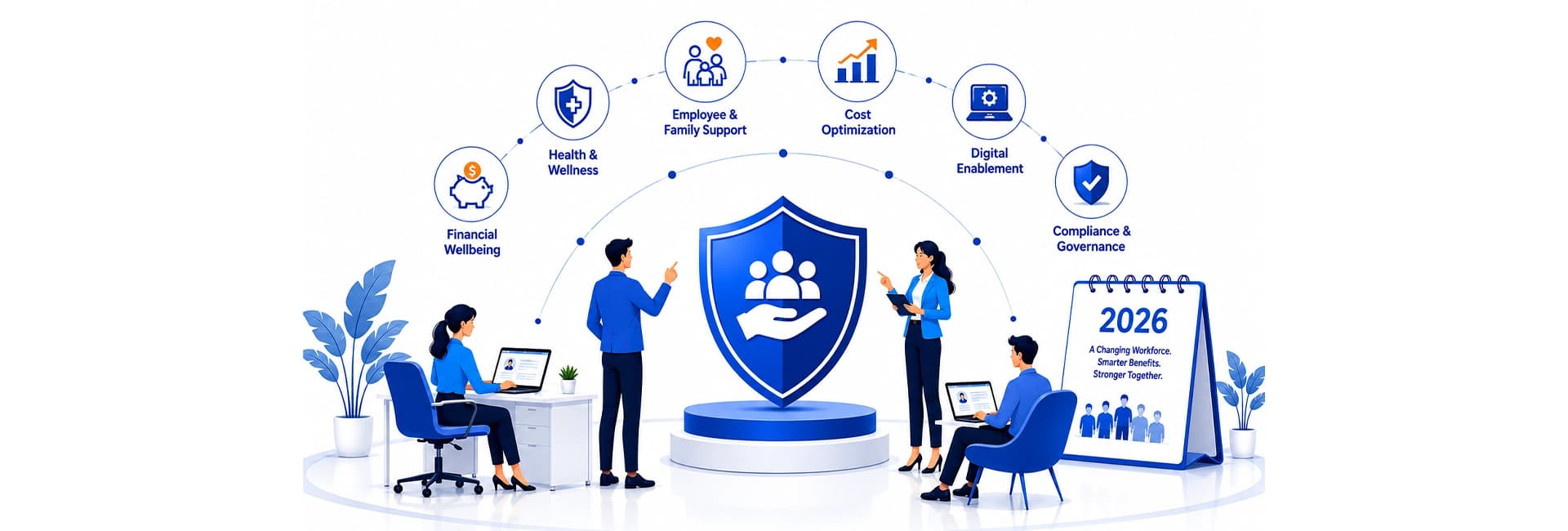
Quick Summary: Managing employee benefits in 2026 takes more than administrative efficiency. This blog looks at the operational headaches HR teams are actually dealing with right now; rising healthcare costs, AI integrating into every workflow, a compliance pressure that keeps growing; and lays out what's actually working for teams trying to build benefits operations that scale.
Open enrollment often creates a false sense of completion. For a few weeks, benefits teams are focused on one clear goal: getting employee elections collected, questions answered, and information across carriers without delays. Once the deadline passes, it can feel like the busiest part of the year is behind them.
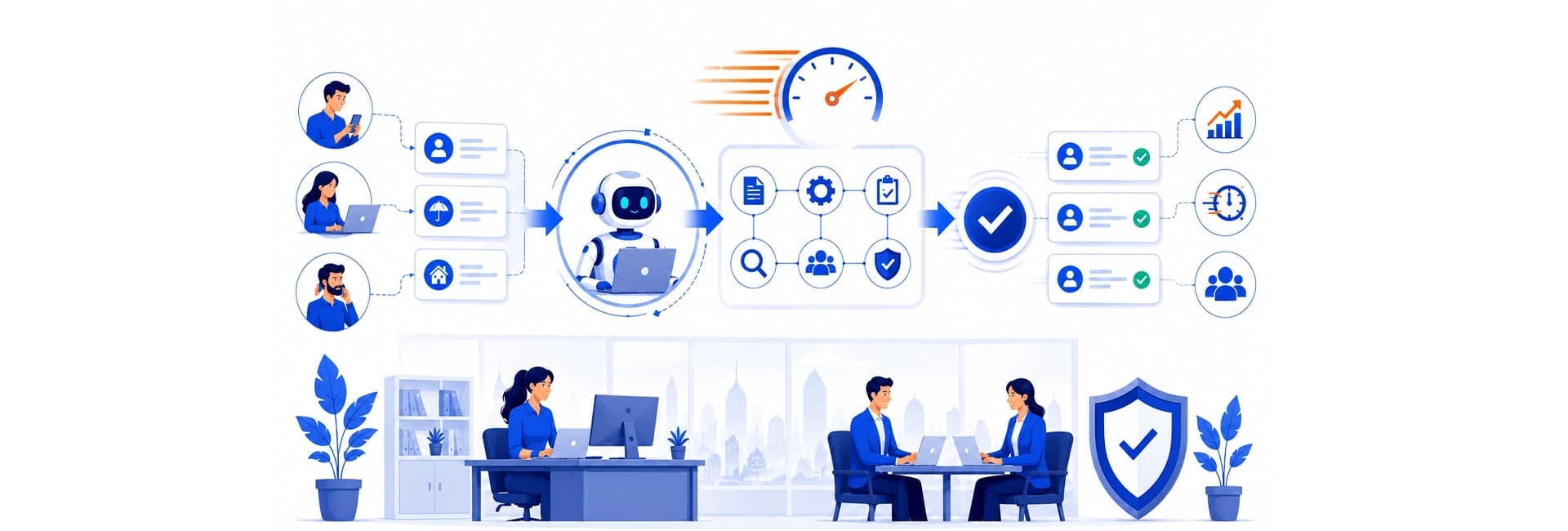
These issues are rarely caused by a single failure. They usually build up quietly through everyday processes; a spreadsheet that was not updated, a manual check that was missed, or information that moved between systems without anyone catching the difference. Benefits teams are often managing dozens of these small connections behind the scenes, and that becomes harder when every vendor has its own platform and every process requires another handoff.
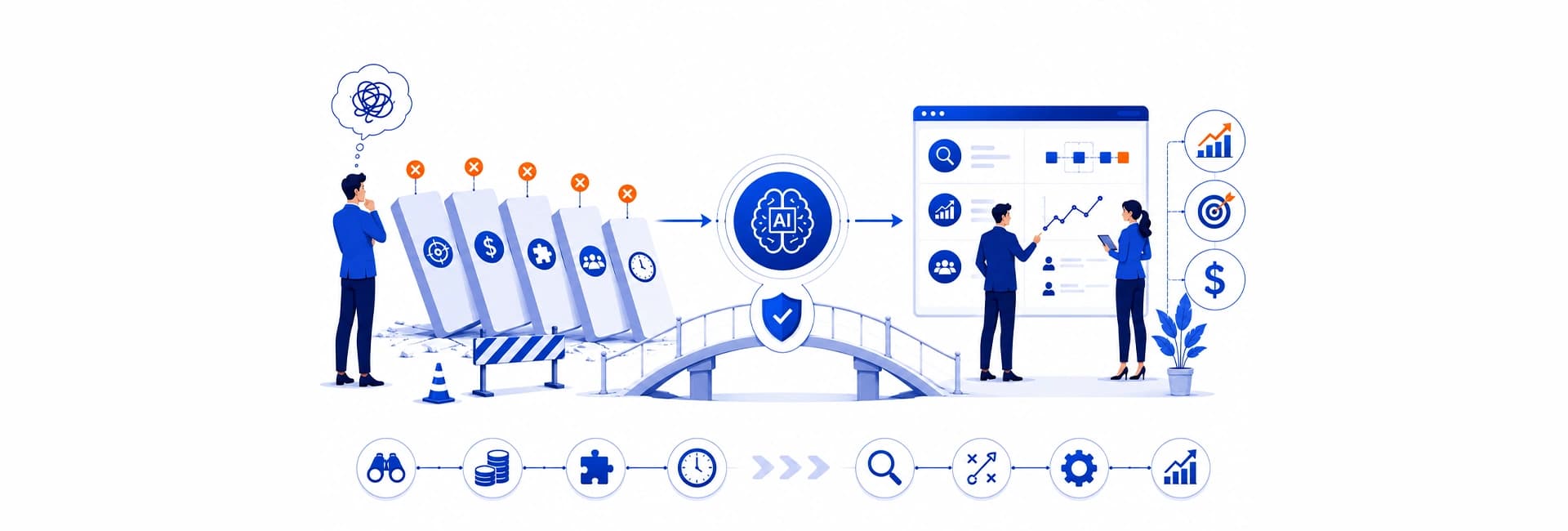
The pressure on benefits teams is not slowing down. Healthcare costs are increasing. Compliance responsibilities keep changing. Employees want benefits that make sense for their own situations, not just a standard package designed for everyone. At the same time, AI is becoming part of HR workflows, creating opportunities for faster work but also new concerns around privacy, accuracy, and control.
The role of benefits administration has changed. It is no longer limited to annual enrollment periods or answering employee questions. It now requires stronger processes, better visibility, and a more connected approach to managing benefits operations.
The new reality of employee benefits operations in 2026
Cost pressure isn't a once-in-a-while spike anymore; it's just part of the planning baseline now. Mercer's employer survey data, reported by SHRM, puts health benefit cost growth at 6.7% for 2026, pushing average per-employee spend past $18,500. That's the third year running of steep increases, and it's reshaping plan design, carrier negotiations, and how much internal bandwidth benefits teams need just to keep up.
This changes the job itself. Processing enrollments and fielding employee questions used to be most of the work. Now benefits teams are expected to model cost scenarios, push back on carrier terms, watch utilization trends closely, and defend every plan decision to finance; usually with the same headcount and the same tools they had five years back.
Why traditional benefits administration is breaking down
The old model was built for a much simpler workplace. Compliance has gotten heavier, the tech stack has fragmented, employees expect more, and costs keep rising; and manual, disconnected processes just weren't designed to hold up under that.
- Fragmented systems and manual reconciliation: Most mid-market companies, and plenty of large ones too, still run benefits through a patchwork of payroll software, carrier portals, ancillary vendor platforms, and spreadsheets duct-taped together. Every new hire, every life event, every open enrollment cycle sets off a chain of manual data entry across systems that don't talk to each other. Each handoff is a place things can go wrong; an eligibility update that never syncs, a notice sent late, a deduction that quietly falls out of step with the carrier feed.
- Compliance that won't sit still: In 2026, benefits compliance covers reporting, paperwork, state-level pay transparency and leave laws, HIPAA, nondiscrimination testing; and none of it stays fixed for long. Employers with people in multiple states are juggling overlapping, sometimes contradictory rules with teams that were never staffed for this level of regulatory tracking.
- The cost-shifting trap: Facing higher premiums, a lot of employers are pushing cost onto employees; bigger deductibles, narrower networks, tighter utilization controls. It works short-term. But benefits that feel stingier, delivered through processes that feel confusing or slow, chip away at trust right when retention matters most.
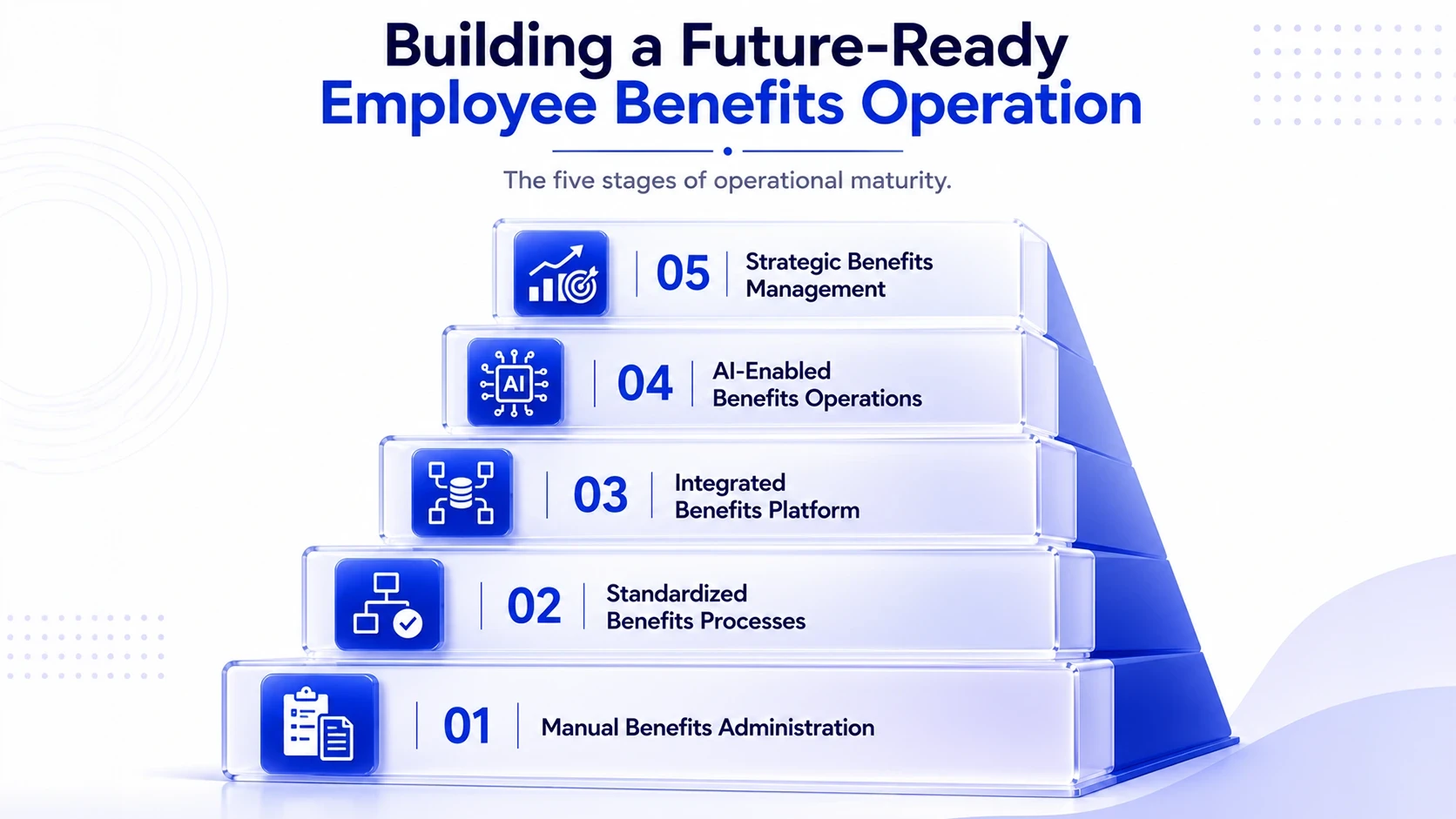
The shift toward centralized, technology-enabled benefits management
Companies pulling ahead in 2026 tend to share one thing: they've stopped treating benefits technology as optional. Pulling enrollment, eligibility, carrier feeds, compliance documents, and employee communications into one platform is now a real strategic priority, not something IT gets around to eventually.
This shift is already underway. Mercer Marsh Benefits' 2026 technology research found employers moving toward centralized platforms specifically to simplify administration and improve the employee experience; and yet even so, while 71% of employees say their current benefits feel relevant to them, 52% still say their needs aren't fully met. That gap is exactly what fragmented systems can't close.
Centralizing does a few things manual, multi-vendor setups just can't:
- Gives you one source of truth for eligibility, dependent data, and elections, instead of the same information getting re-keyed across five different systems (and drifting out of sync each time).
- Puts utilization and cost data in front of you close to real time, so plan design decisions are based on what's happening now, not a broker report from a year ago.
- Frees up skilled HR team from repetitive admin work so they can actually focus on retention, experience, and vendor negotiation
How AI is transforming employee benefits operations
AI went from pilot project to standard toolkit in benefits faster than in almost any other part of HR. As per SHRM's 2026 Employee Benefits Survey, employer-sponsored AI tool subscriptions hit 33% this year, up 17 points from last year. That's not gradual adoption; that's a real jump in how willing benefits teams are to build AI into daily work.
Right now, that mostly looks like:
- Catching eligibility discrepancies automatically, before they turn into claims disputes
- Handling routine benefits questions through chat tools, so HR isn't buried in tickets
- Flagging unusual utilization patterns, sometimes an early signal of burnout or unmet care needs
- Running the numbers on plan design changes before anyone commits to them
But AI without oversight creates its own risk. Health and dependent data flowing through AI tools raises real questions about privacy, vendor security, and whether recommendation algorithms are quietly biased. HR, legal, and IT need to work through those questions together; not each in their own lane.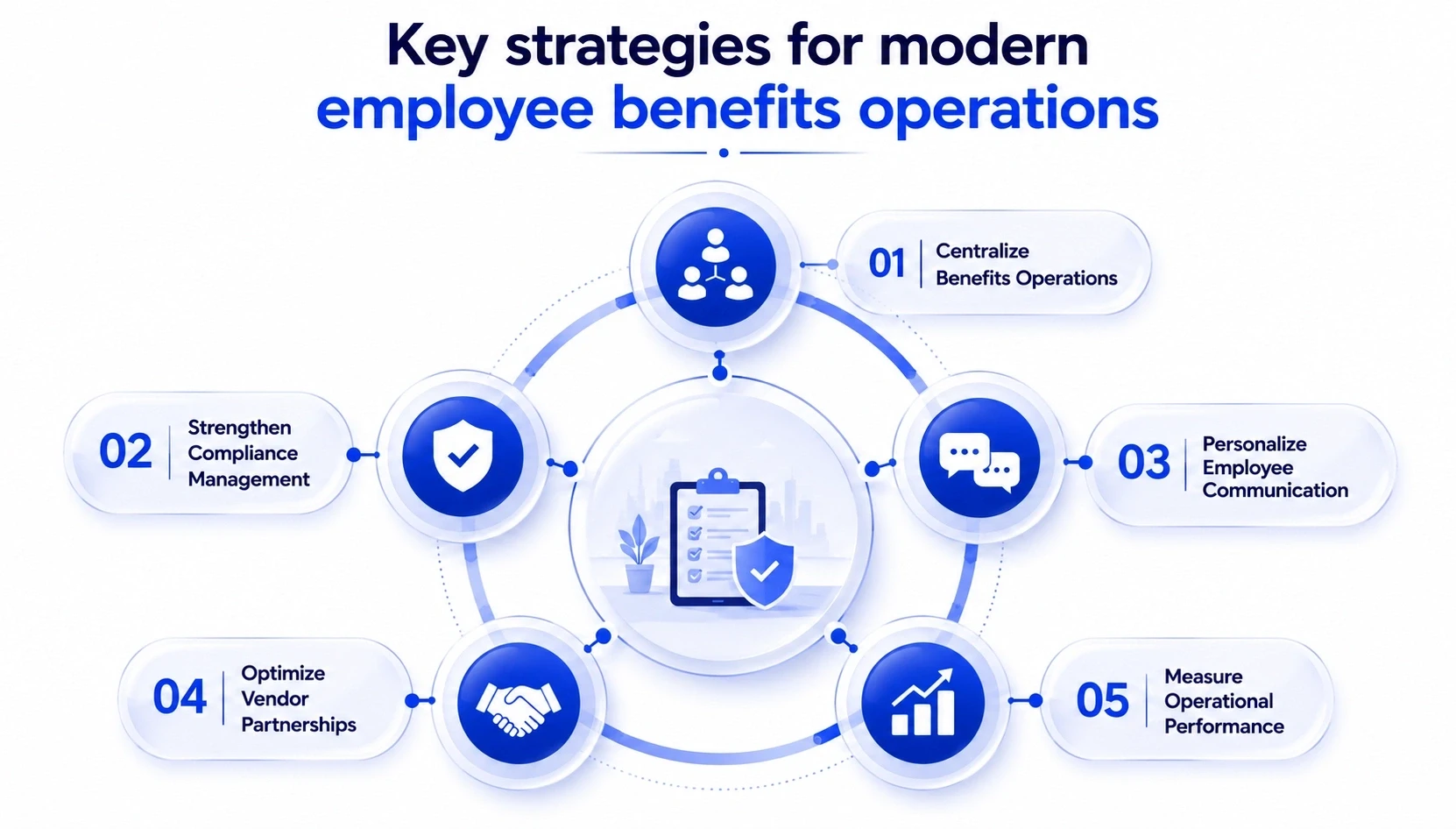
Core strategies for managing employee benefits operations in 2026
Getting this right takes more than buying new software. It takes standardized processes, real compliance oversight, decisions grounded in data, and communication that actually speaks to employees as individuals. A few things that make a real difference:
- Centralize before you automate: Bolting automation onto a fragmented system just makes the errors happen faster. Clean up the data and workflows first, then layer intelligence on top.
- Treat your compliance calendar like a living system, not a document you file away: Deadlines, state leave mandates, carrier-specific filings; these need the same rigor as a financial close, with clear owners, built-in reminders, and an audit trail.
- Personalize how you communicate about benefits: A 25-year-old living alone and a 50-year-old managing eldercare need completely different things from their benefits package. One enrollment email a year won't reach either of them well; segmented, well-timed messaging is what actually moves utilization.
- Manage vendors as an ongoing job, not a once-a-year formality: Review carrier and point-solution contracts against real utilization data every year instead of letting them auto-renew. A benefit nobody uses is a cost with zero return; renegotiating or cutting it is often where the real savings sit.
- Measure benefits operations the way you'd measure any other function: Time to resolve employee questions, error rates between payroll and carrier feeds, enrollment completion; these deserve the same scrutiny as any other business metric.
Making employee benefits operations a competitive advantage
Companies getting this right in 2026 aren't just trimming admin costs; they're building workforce trust. When eligibility data is accurate, claims go through without friction, and communication actually feels personal, employees start experiencing their benefits as real compensation rather than a headache. That builds loyalty at a moment when it's easier than ever for people to walk.
This is where a specialized operations partner earns its keep; not by processing things faster, but by rebuilding the workflows, data architecture, and governance underneath so benefits operations can grow without growing headcount or risk right along with it.
Building a benefits operations model that holds up under pressure
2026 isn't a year where small patches to an old system will hold. Rising costs, tighter compliance, and AI maturing fast inside HR tech all point to the same conclusion: benefits operations need a real structural upgrade, not another workaround.
FBSPL works alongside HR and team leaders as a hands-on operations partner; helping centralize scattered benefits data, build compliance workflows that actually hold up, and bring AI into enrollment, eligibility, and claims support responsibly, so benefits operations become something leaders can trust rather than worry about.


Bhavishya Bharadwaj
Bhavishya Bharadwaj is the Digital Marketing Manager at FBSPL, bringing over a decade of experience across insurance, outsourcing, accounting, and digital transformation.
Frequently Asked Questions
Most companies should do a full benefits review annually, ahead of renewal season, while keeping an eye on utilization, employee feedback, compliance changes, and cost trends throughout the year so they can adjust before problems compound.